

Top 5 Lenders for Personal Loans After Bankruptcy in 2026
Last updated: 2026-11-26
Walking through the financial world after a bankruptcy discharge often feels like trying to find your way through a thick fog without a compass. Most traditional lenders slam the door shut the moment they spot a recent filing on your credit report. They rely on automated underwriting systems that trigger an immediate rejection based on a Chapter 7 or Chapter 13 filing, no matter how much time has passed since the discharge.
However, for those looking to rebuild their standing, certain institutions remain willing to extend credit to help bridge the gap. These lenders often look past the “scar tissue” of a bankruptcy to evaluate how stable your life is right now. They care more about your current ability to pay than a past mistake.
Finding the right lender requires looking much deeper than just the interest rate. You need a partner that understands the nuance of a post-bankruptcy profile. A person who has successfully navigated a bankruptcy and maintained a steady job for twelve months is fundamentally different from someone currently in the midst of financial turmoil.
Speed, transparency, and the ability to handle non-traditional credit histories are the pillars of a successful loan search in today’s market. You aren’t just looking for money; you are looking for a tool that aids in your reintegration into the mainstream economy.
- Truist
- Country Bank
- FastLendGo
- Wiseloan
- TCTFCU
How These Post-Bankruptcy Options Were Evaluated
The selection process focused on how these lenders approach risk. When a borrower has a history of bankruptcy, the lender’s willingness to look at income stability rather than just a FICO score becomes paramount. A lender that prioritizes the “ability to pay,” verified through recent pay stubs or bank statements, is far more valuable to a post-bankruptcy borrower than one relying solely on a credit score that may take years to fully recover.
This ranking prioritizes institutions that offer clear paths for those attempting to repair their damaged credit profiles. We looked at the “friction” in the application process to see how much effort a borrower actually has to put in. How many documents are required? Is there a hard or soft credit pull for the initial quote? How quickly does the capital actually land in a bank account?
While some lenders focus on rapid, high-interest emergency funds, others provide more stable, long-term structures. The goal was to identify which providers offer the most reliable footing for a fresh start. We wanted to find lenders that value your future more than your past.
| Lender Name | Loan Amounts | Funding Speed | Credit Requirements | Key Feature |
|---|---|---|---|---|
| Truist | See site | See site | See site | Comprehensive banking services |
| Country Bank | See site | See site | See site | Community-focused service |
| FastLendGo | $500 – $5,000+ | Quick access | Bad to Great Credit | Multiple specialized loans |
| Wiseloan | Up to $3,500 (returning) | As little as 15 minutes | Good or bad credit | Same-day installment loans |
| TCTFCU | See site | See site | See site | Holiday loan specials |
The Best Lenders for Rebuilding Credit
1. Truist
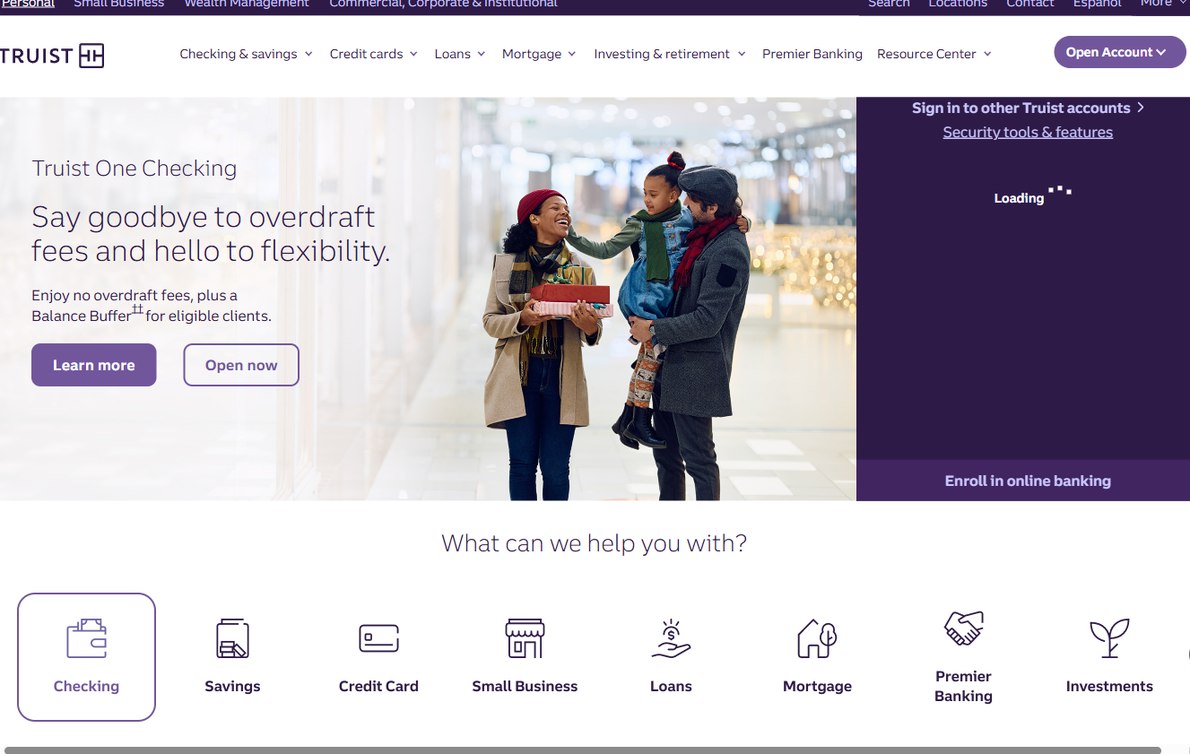
Truist operates as a massive, multifaceted financial institution. It offers a wide array of services ranging from standard checking and savings accounts to complex wealth management. This scale allows for a diverse suite of lending products that can cater to different life stages and financial needs. Because they operate on such a large scale, they have sophisticated internal systems that can often look deeper into a borrower’s actual banking history rather than just a static credit score.
This lender is a solid choice for individuals who want to consolidate their entire financial life under one roof. For someone coming out of bankruptcy, the “rebuilding” phase is often about establishing a pattern of consistent, predictable behavior. By combining daily banking with specialized lending, a borrower might find more stability as they move away from their bankruptcy status and into a more prosperous era.
Having your primary checking account, your savings, and your personal loans all within the same institution can sometimes create a “relationship” benefit that makes future borrowing easier. It is about building a history with one entity that sees your growth over time.
Pros:
- Extensive range of financial services and products
- Integrated banking ecosystem
- Professional wealth management options
Cons:
- Complex product structure can be overwhelming
2. Country Bank
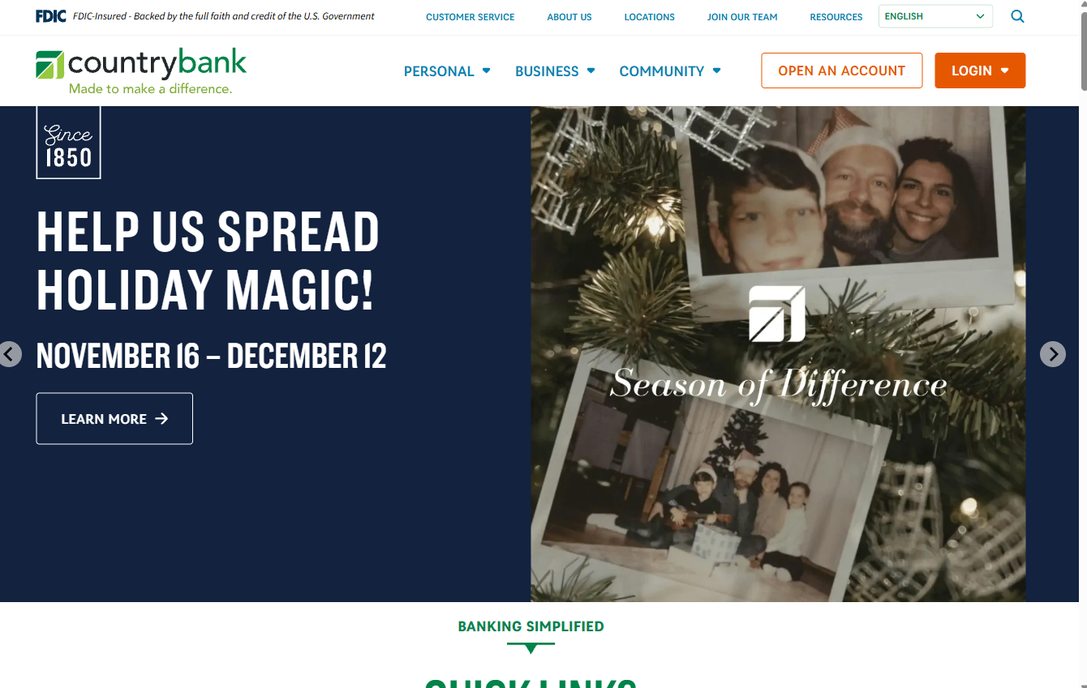
Country Bank positions itself as a community-oriented institution. They emphasize making a difference through localized service and financial support. For those emerging from bankruptcy, the human element of banking can often make the application process feel less intimidating and more personal. In many cases, a branch manager at a community bank has more discretion to look at the context behind the bankruptcy than a computer algorithm at a massive national lender.
They provide various tools to help manage money, including specialized checking accounts designed to minimize overdraft fees and encourage saving. This focus on “smart spending” suggests a philosophy aimed at helping clients maintain healthy financial habits, which is essential when one is actively trying to rebuild a credit history from scratch.
If you are walking into a branch with a plan and a stable income, the ability to sit down with a person can be a game-changer for securing traditional products like auto loans or small personal loans. Sometimes, a handshake and a conversation carry more weight than a digital score.
Pros:
- Strong focus on community and service
- Offers various specialized checking accounts
- User-friendly digital and physical banking
Cons:
- Limited digital flexibility compared to fintechs
3. FastLendGo
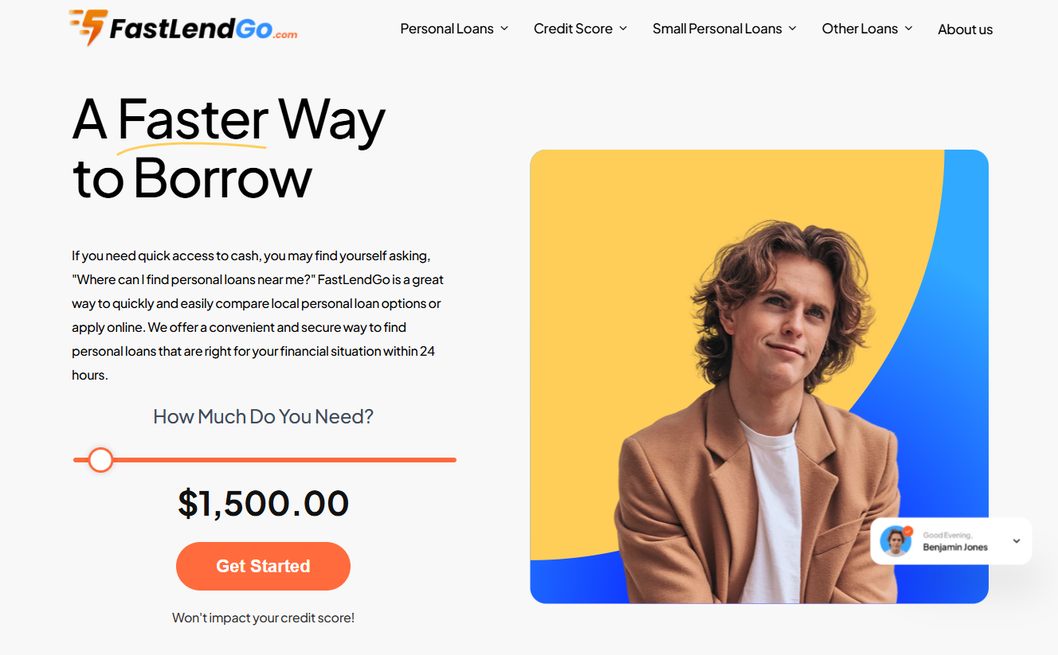
FastLendGo acts as a bridge for those who need immediate liquidity. They specialize in various categories, from small $500 loans to larger sums for high-income individuals. Their model is built around speed and accessibility for a wide spectrum of credit scores. Unlike traditional banks that might require a mountain of paperwork and weeks of waiting, FastLendGo is designed for the modern, fast-paced financial need.
If a borrower needs money for a specific purpose, such as auto repairs to get to work or dental work to maintain a professional appearance, this lender offers targeted solutions. For example, an auto loan specifically structured for someone with a recent bankruptcy can be more accessible than a general-purpose personal loan.
It is a highly flexible option for someone who cannot wait for a lengthy underwriting process and needs to address a pressing financial hurdle. If you leave a car repair unaddressed, it could lead to job loss and further financial decline. This lender helps stop that downward spiral before it starts.
Pros:
- Highly specialized loan types (Auto, Dental, etc.)
- Covers a wide range of credit scores
- Fast online comparison process
Cons:
- High variety of products may lead to confusion
4. Wiseloan
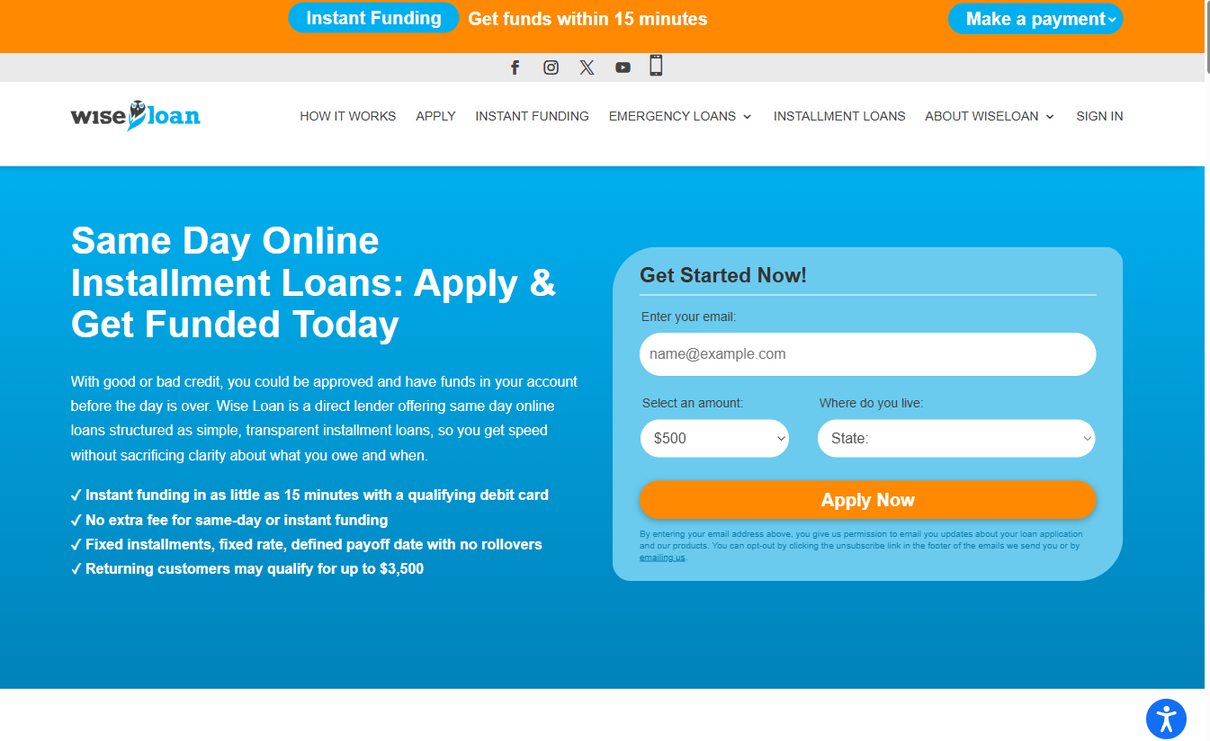
Wiseloan is designed for the borrower who needs cash yesterday. They focus on installment loans that are structured with extreme clarity. There are no hidden surprises or rolling debts, which provides a much-needed sense of control for someone managing a tight budget. When you are recovering from bankruptcy, the last thing you need is a loan that “grows” unexpectedly due to compounded interest or hidden administrative fees.
The speed here is hard to beat, with potential funding arriving in as little as fifteen minutes. For returning customers who have proven their reliability through a history of on-time payments, the ability to access up to $3,500 makes this a potent tool for managing short-term cash flow gaps. This is particularly useful for “bridge” scenarios—where you have a sudden expense between paychecks but need to maintain your strict rebuilding budget.
Pros:
- Extremely fast funding speeds
- Transparent installment structures
- No extra fees for same-day funding
Cons:
- Lower maximum loan amounts for most users
5. TCTFCU
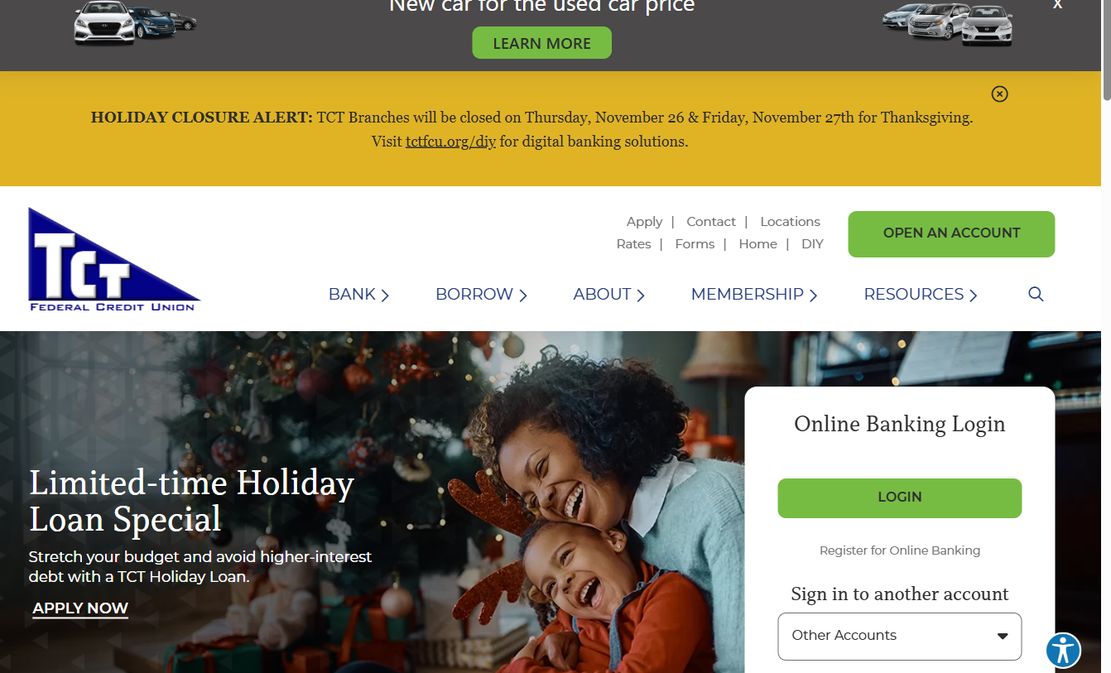
TCTFCU offers a more traditional, membership-based approach to lending. Credit unions are often more lenient than big banks because they are member-owned cooperatives rather than profit-driven corporations. They provide specific options like holiday loan specials, which can help members manage seasonal budget stretches without falling into high-interest debt traps. This is a strategic way to handle predictable expenses like December holidays or back-to-school costs.
The credit union also provides specialized financing for vehicles, including autos, motorcycles, and even RVs. For a borrower looking to build credit through an installment loan for a major purchase, this institution offers a structured and reliable path forward. Successfully paying off a vehicle loan through a credit union is one of the most effective ways to demonstrate long-term reliability to future mortgage lenders.
Pros:
- Specialized seasonal and holiday loans
- Diverse vehicle financing options
- Member-centric approach
Cons:
- Membership requirements may apply
The Strategic Use of Loans for Credit Rebuilding
Not all debt is created equal, especially when your primary goal is to repair a credit score. To rebuild effectively, you must distinguish between “productive debt” and “consumptive debt.” Productive debt is a loan used to acquire an asset that increases your net worth or enables you to earn more money, like a vehicle to get to a better-paying job. Consumptive debt is money used to pay for things that lose value immediately or are non-essential lifestyle expenses.
For a post-bankruptcy borrower, the most effective way to use a loan is as an “installment tool.” An installment loan—where you pay a fixed amount every month for a set period—is highly beneficial for your credit mix. Credit scoring models like FICO look at the variety of accounts you manage. Having a history of on-time payments on a dedicated installment loan proves to future lenders that you can handle structured, long-term commitments.
If you can master the discipline of a $100 monthly payment, you prove you are ready for a $300 monthly mortgage payment. When choosing a loan for this purpose, prioritize the following steps:
- Verify the interest rate vs. inflation: While you want a low rate, don’t let the quest for a 0% interest rate lead you into a predatory loan with massive fees.
- Check for “Prepayment Penalties”: As your credit improves and you become eligible for better rates, you may want to pay off the rebuilding loans early. Ensure the lender doesn’t charge you for being responsible.
- Assess the impact of a hard inquiry: While a single hard inquiry is normal, multiple inquiries in a short window can signal “credit seeking” behavior, which can temporarily dip your score.
Avoiding Pitfalls in the Post-Bankruptcy Loan Market
The most dangerous mistake a borrower can make is rushing into a loan without understanding the total cost of borrowing. It is easy to get blinded by the speed of a “same-day” approval. However, what matters most is the long-term impact on your monthly budget and your overall interest expense. A small loan with a high interest rate can end up costing you twice as much as a larger loan with a lower rate over the life of the term.
Always look for lenders that offer fixed installments. When you are rebuilding your life, predictability is your best friend. Avoid any lender that suggests “rolling over” a debt or adding new fees to an existing balance. Such practices are the quickest way to slip back into the financial instability you worked so hard to escape. “Rolling over” is just a way of adding new interest to old interest, creating a cycle that is nearly impossible to break.
Another common error is failing to compare the specific purpose of the loan against the interest rate. If you are taking a high-interest loan for a non-essential purchase, you are essentially digging a hole to fill a hole. Use these loans strategically—to consolidate higher-interest debt or to fund an essential necessity that will improve your financial standing. A well-timed, strategically used loan is not a setback; it is a ladder to your new financial life.