

Top 5 Subprime Personal Loan Lenders for 2026: A Detailed Comparison
Last updated: 2026-11-26
When your credit score takes a tumble, finding a lifeline can feel like walking through a thunderstorm without an umbrella. You might find yourself staring at a screen, wondering if anyone will actually extend credit to someone with a less-than-perfect financial history. It is a stressful position that requires careful thought to avoid predatory terms.
The pressure is real. You might be facing a sudden medical bill, an urgent car repair that threatens your ability to get to work, or a mounting pile of high-interest credit card debt. In these moments, the urge to act quickly can lead to impulsive decisions that carry long-term consequences. It is easy to trip when you are rushing.
This ranking helps those needing immediate capital for debt consolidation, emergencies, or home improvements despite credit challenges. When selecting a lender, keep your focus on transparency, the speed of funding, and how much the interest rates will actually sting your monthly budget. A loan should be a tool for stabilization, not a weight that pulls you deeper into a cycle of borrowing.
- Avant
- Upgrade
- JetzLoan
- CreditNinja
- P2P Credit
How These Lenders Were Evaluated
The evaluation process focused on how these companies serve the subprime demographic specifically. A lender might be excellent for someone with a 580 score but completely out of reach for someone at 520. Because of this, the assessment looked at the breadth of their loan products and the ease of their digital application processes.
We looked at the friction points in their user interfaces. How many steps does it take from clicking “Apply” to receiving a decision? We also looked for transparency in fee structures, specifically looking for “hidden” costs like origination fees that are deducted from your loan proceeds before you even see the money. You don’t want any surprises when the deposit hits.
Speed of funding and the ability to check rates without a hard credit inquiry were also vital. If a lender’s process is slow or if they ding your credit score just for looking, they fall lower in the hierarchy. We prioritized companies that offer clear paths to repayment and meaningful financial tools. A lender that provides an interactive calculator to see how a higher monthly payment could shave years off your term is worth significantly more than one that only shows a single, static monthly figure.
Comparison of Leading Lenders
| Lender Name | Max Loan Amount | Funding Speed | Credit Impact (Pre-qual) | Primary Focus |
|---|---|---|---|---|
| Avant | See site | See site | See site | Debt Consolidation |
| Upgrade | $50,000 | Fast funding | No impact | Personal/Debt |
| JetzLoan | $35,000 | 24 hours | No impact | Fast Funding |
| CreditNinja | See site | Same day* | See site | Unexpected Expenses |
| P2P Credit | $40,000 | See site | See site | Peer-to-Peer |
The 2026 Subprime Loan Rankings
1. Avant
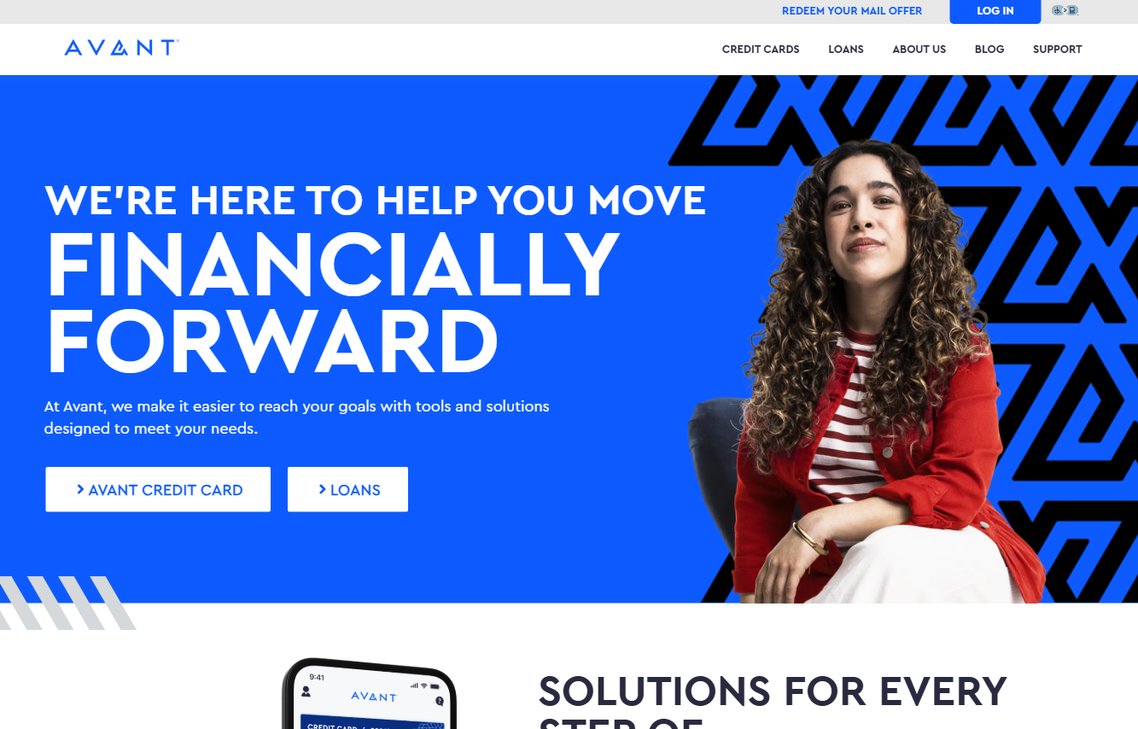
Avant positions itself as a versatile partner for those navigating various stages of their financial journey. They do not just offer one-size-fits-all products. Instead, they provide tools designed to help people move forward one step at a time. This makes them a strong choice for those looking for a more holistic approach to credit.
Instead of viewing a borrower as just a number on a credit report, Avant attempts to understand the broader context of your financial life. The company offers a suite of solutions including personal loans, credit cards, and tools for debt consolidation or home improvement. Their focus is on providing clear answers to difficult questions, which is often what subprime borrowers need most.
If you are currently juggling five different credit card payments, Avant’s consolidation tools can help you merge those into a single, predictable monthly payment. This simplifies your mental load and your banking routine. It is about getting organized so you can actually breathe again.
Pros:
- Flexible choices for various financial needs.
- Dedicated support to help users navigate financial goals.
- Offers diverse products including credit cards and installment loans.
Cons:
- Specific interest rate requirements are not explicitly detailed for all tiers.
2. Upgrade
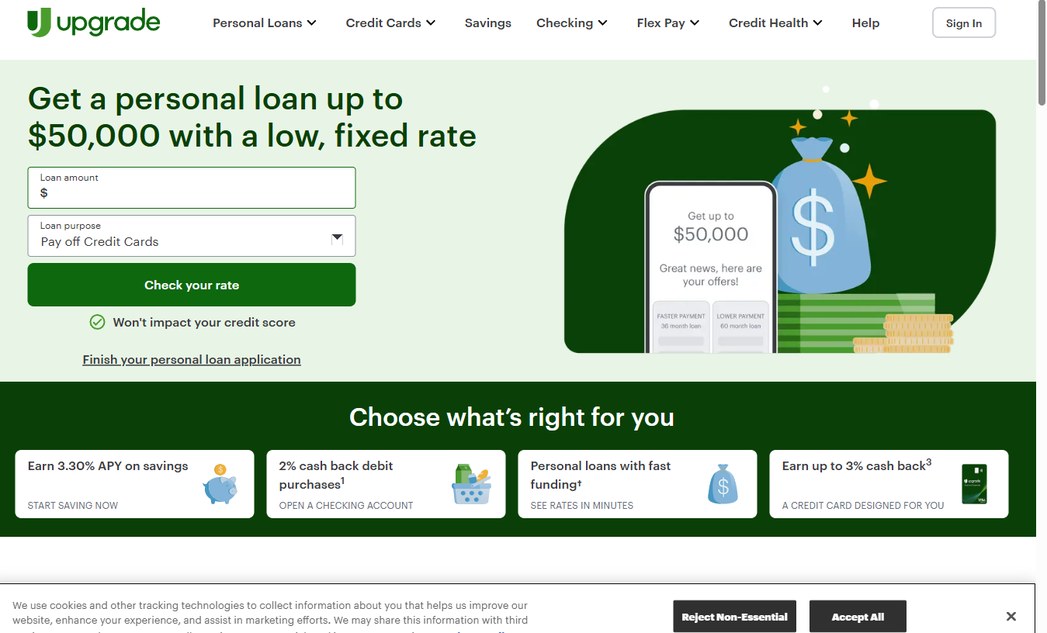
Upgrade is a powerhouse in the personal loan space, catering to a massive customer base of over 8.3 million people. They offer a streamlined experience where you can check your rate without any impact to your credit score. This allows borrowers to shop around with confidence before committing to any debt.
This “soft pull” feature is a critical safety net for those with subprime credit who cannot afford even a minor dip in their score while they are still exploring their options. With loan amounts reaching up to $50,000, they are a strong option for significant expenses like large purchases or business needs.
Their ecosystem also includes savings accounts with competitive APY and cash back rewards, making them more than just a simple lending service. This integrated approach allows users to build a relationship with a single financial institution. This can potentially lead to better terms and more streamlined service as their credit score improves over time.
Pros:
- High maximum loan amount of $50,000.
- No credit score impact when checking rates.
- Fast funding options available.
Cons:
- Requires a formal application to see final terms.
3. JetzLoan
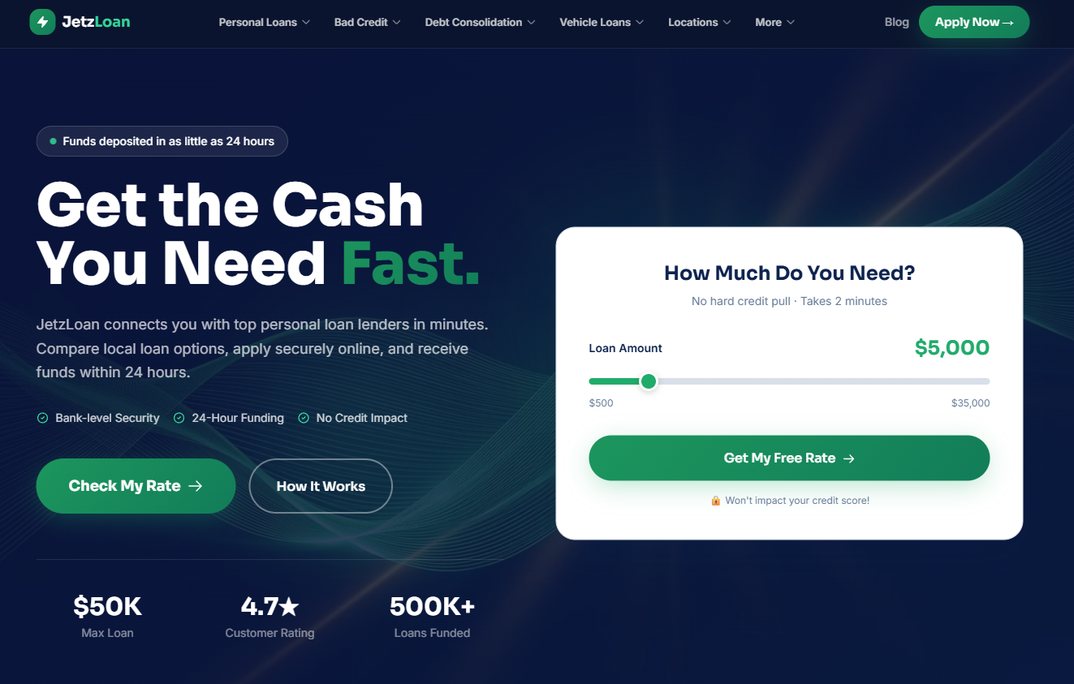
If you are in a situation where time is of the essence, JetzLoan is a compelling contender. They specialize in rapid turnaround, often depositing funds in as little as 24 hours. This speed is vital for those facing urgent, unexpected expenses that cannot wait for a traditional bank’s slow approval cycle.
Think about an emergency transmission repair or a sudden medical co-pay that must be met by the next business day. JetzLoan acts as a connector, matching you with top lenders in just minutes through a simple two-minute application. They have clearly carved out a niche for the speed-conscious borrower.
With a 4.7-star customer rating and over 500,000 loans funded, they have a proven track record. Their streamlined interface is designed to minimize the “decision fatigue” that often accompanies high-stress financial situations. They guide users through the process with clarity and speed.
Pros:
- Extremely fast funding, potentially within 24 hours.
- No hard credit pull to check rates.
- High customer satisfaction rating.
Cons:
- Maximum loan amount is capped at $35,000.
4. CreditNinja
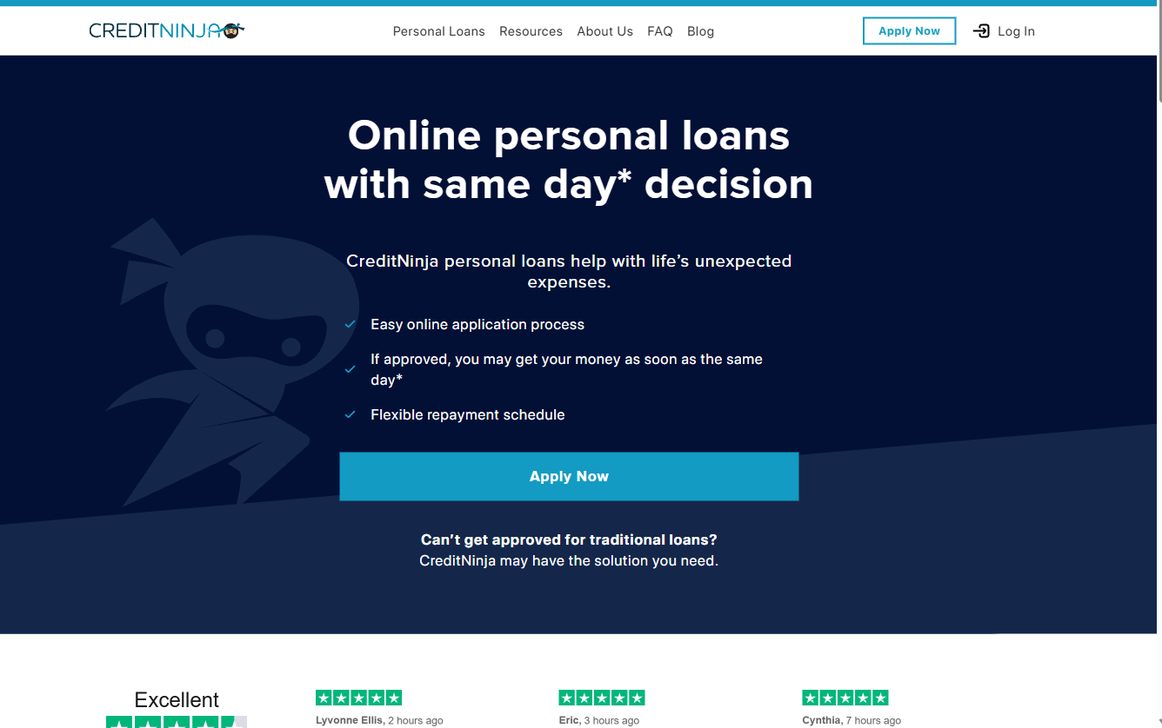
CreditNinja is designed for the person who has been told “no” by traditional banks. Their platform specializes in finding loan options for those who might struggle to get approved elsewhere. The application process is remarkably simple, requiring only basic information to get started.
This makes it an excellent starting point for those who are uncertain about their eligibility and want to see what the market has to offer without a massive time commitment. One of their standout features is the potential for same-day decisions and same-day funding if approved.
They understand that life’s unexpected expenses don’t wait for a convenient time, so they aim to bridge that gap quickly. By aggregating a variety of lenders, CreditNinja does the heavy lifting of comparing multiple specialized subprime lenders. This saves you the hours of manual research usually required.
Pros:
- Potential for same-day funding and decisions.
- Easy and quick online application process.
- Considers more than just your credit score.
Cons:
- Approval is not guaranteed and depends on specific criteria.
5. P2P Credit
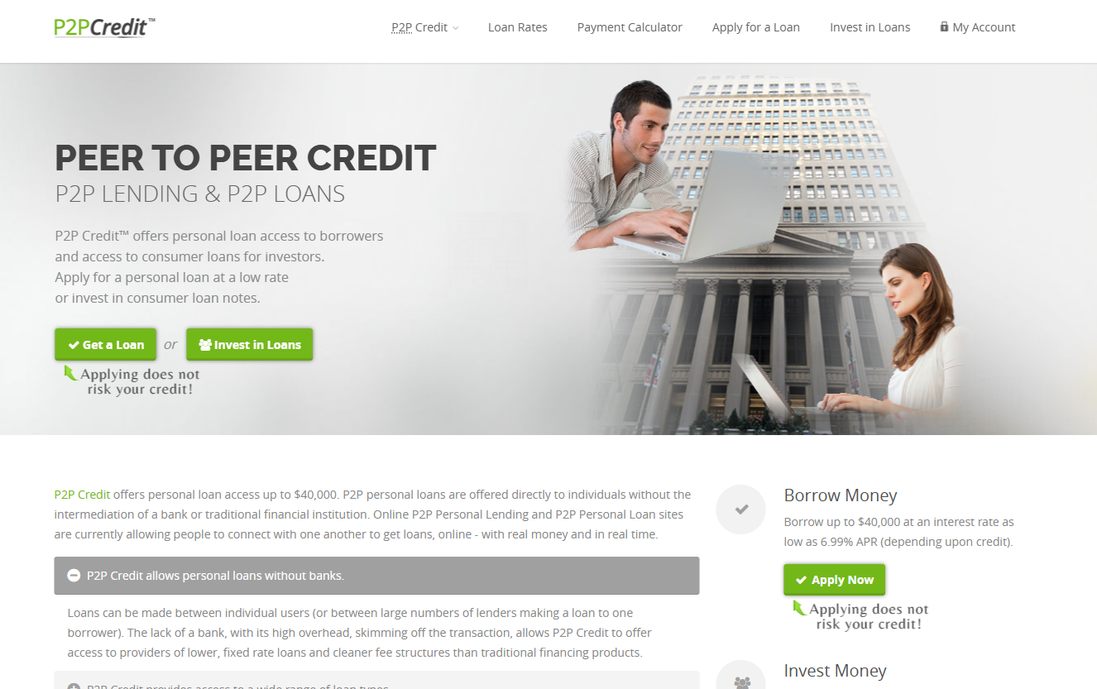
P2P Credit operates on a fundamentally different model by removing the traditional bank from the equation. Instead, they facilitate loans directly between individuals or groups of lenders and borrowers. This peer-to-peer model can sometimes offer more personalized access to capital.
The “lender” is often an individual or an entity that may have a different risk appetite than a massive, rigid institution like Chase or Wells Fargo. They offer personal loans up to $40,000, providing a digital marketplace where real money moves in real time. It is a modern approach to lending that bypasses the rigid bureaucracy found in massive financial institutions.
Because they operate as a marketplace, the terms can vary significantly based on the individual lender’s preferences. This is why thorough comparison is essential. You are dealing with real people, which brings a different set of rules to the table.
Pros:
- Access to loans up to $40,000.
- Direct peer-to-peer connection without bank intermediation.
- Real-time digital lending environment.
Cons:
- The peer-to-peer nature can lead to varying terms.
Understanding Total Cost of Borrowing
When you are in a subprime position, it is incredibly easy to focus solely on the monthly payment. If a loan offers a $200 monthly payment, it looks manageable. However, if that loan is for 60 months, you are paying back $12,000 total on a $7,000 loan. That $5,000 difference is the true cost of your credit.
Subprime loans often carry higher Annual Percentage Rates (APRs), which reflect the higher risk the lender is taking. You must look beyond the monthly installment and calculate the “total repayment amount” to understand if the loan truly solves your problem or creates a long-term debt burden. Don’t let the monthly number blind you to the total cost.
Another factor to consider is the origination fee. Many personal loans, particularly in the subprime space, charge a fee simply for processing the loan. This fee is typically a percentage of the total loan amount, like 3% to 8%, and is often deducted from your disbursement. If you apply for a $5,000 loan with a 5% origination fee, you won’t receive $5,000 in your bank account; you will receive $4,750, but you will still owe interest on the full $5,000. Always ask: “What is the net amount that will be deposited into my account?”
Strategies for Using a Loan to Improve Your Credit
A subprime loan should not just be a way to pay bills; it should be a tactical move to rebuild your financial reputation. If you use a personal loan for debt consolidation, you are effectively performing a “credit mix” maneuver. By paying off several high-utilization revolving credit cards with a single installment loan, you lower your credit utilization ratio—which is one of the fastest ways to boost a score.
As your credit card balances drop toward zero, your score often sees a significant upward trend, even if you don’t close those accounts. To maximize this effect, follow these steps:
- Consolidate strategically: Use the loan to pay off cards with the highest interest rates first.
- Automate payments: Set up autopay for your new loan immediately. Late payments are the single most damaging event to a credit score.
- Avoid new debt: The biggest trap is using the newly emptied credit cards to make more purchases. This leads to “double debt”—you have the loan and the new credit card balances.
- Monitor your progress: Use a free credit monitoring service to watch your score rise as your utilization drops.
By treating a subprime loan as a temporary bridge rather than a permanent lifestyle, you can transition from the “survival” phase of finance into the “growth” phase. This eventually helps you qualify for prime rates and lower interest costs in the future.
Navigating Your Loan Options
Choosing a lender is not just about finding the lowest number on a screen; it is about finding the right fit for your current life stage. A quick loan might solve a problem today, but if the interest rates are astronomical, they might create a much larger problem next month. Always look at the total cost of borrowing, not just the monthly payment.
One common mistake is rushing into the first offer that comes your way. Even in the subprime market, you have the right to compare. Use the “no hard credit pull” features offered by lenders like Upgrade or JetzLoan to shop around. This allows you to see your options without damaging your score further. In a competitive market, even a 2% difference in APR can save you hundreds, if not thousands, of dollars over the life of the loan.
Another pitfall is ignoring the fine print regarding late fees or prepayment penalties. Some lenders might offer a lower rate but charge you heavily if you try to pay the loan off early. This is counterintuitive, but some lenders make their profit from the interest you would have paid if you had stayed in debt longer. Always read the terms to ensure that your path to financial recovery remains unobstructed and clear.